Have you seen someone comment “That’s so sigma 😎” on TikTok or Instagram and wondered what it really means? You’re not alone. The word “sigma” has become a viral personality label in memes, self-improvement videos, and motivational posts — often describing people who seem confident, independent, and unbothered by social pressure.
But where did it come from? Is it an actual psychological term or just another social media buzzword?
Quick Answer:
Sigma refers to a self-reliant, independent individual who operates outside traditional social hierarchies. It’s often used to describe someone who’s quietly confident, prefers solitude, and doesn’t seek validation — the so-called “lone wolf archetype.”
🧠 What Does Sigma Mean? (Definition & Psychology)
The sigma personality represents people who don’t fit into the traditional “alpha–beta” hierarchy. Instead of leading (like alphas) or following (like betas), sigmas walk their own path — focusing on independence, discipline, and self-mastery.
In one line:
👉 Sigma = independent + self-sufficient + non-conformist.
Example in context:
“He’s totally sigma — doesn’t care about trends, just does his thing.”
Key Sigma Traits:
- Independent thinker
- Comfortable being alone
- Confident but not arrogant
- Uninterested in social status
- Goal-oriented and disciplined
Unlike extroverted leaders (alphas), sigmas thrive quietly, often earning respect through results, not dominance.
📜 Origins & History of the Sigma Concept
The term “sigma male” originated in online “manosphere” discussions during the early 2010s, when social hierarchy labels like alpha and beta became popular in dating and self-help circles.
Soon, sigma was introduced as a third type — someone powerful but outside the social order entirely.
Timeline:
- 2010–2015: Sigma appears in niche self-improvement blogs and forums.
- 2018–2020: The concept spreads via YouTube and Reddit, often tied to “lone wolf” masculinity.
- 2021–2023: Sigma memes explode on TikTok, gaining billions of views under hashtags like #SigmaMale and #SigmaMindset.
- 2024–2025: The meaning broadens — now applied to both human beings who value independence.
Cultural Roots:
The Greek letter Σ (sigma) symbolizes summation, meaning totality or individuality — fitting for someone who defines their own rules.
📱 How “Sigma” Is Used in Modern Contexts
🕹 On Social Media
On TikTok, Instagram, and Reddit, “sigma” is used humorously or aspirationally.
Examples:
- “Sigma grindset 💼 no distractions.”
- “He said no to drama — pure sigma move.”
- Meme caption: “When you ghost everyone to focus on yourself 🧘♂️.”
Hashtags like #SigmaMindset and #SigmaMale have billions of views, blending motivational messages with satire.
💼 In Work & Self-Help Culture
In professional circles, sigma has come to mean someone productive, quiet, and efficient, not seeking praise or competition.
“She’s a sigma — works silently and delivers excellence.”
🎬 In Pop Culture
Fictional sigma archetypes often include:
- John Wick — disciplined, silent, self-reliant
- James Bond — confident but emotionally detached
- Batman — works alone, highly capable, self-driven
These characters represent “sigma energy”: focus, independence, and emotional control.
⚖️ Sigma vs Alpha vs Beta — The Modern Comparison
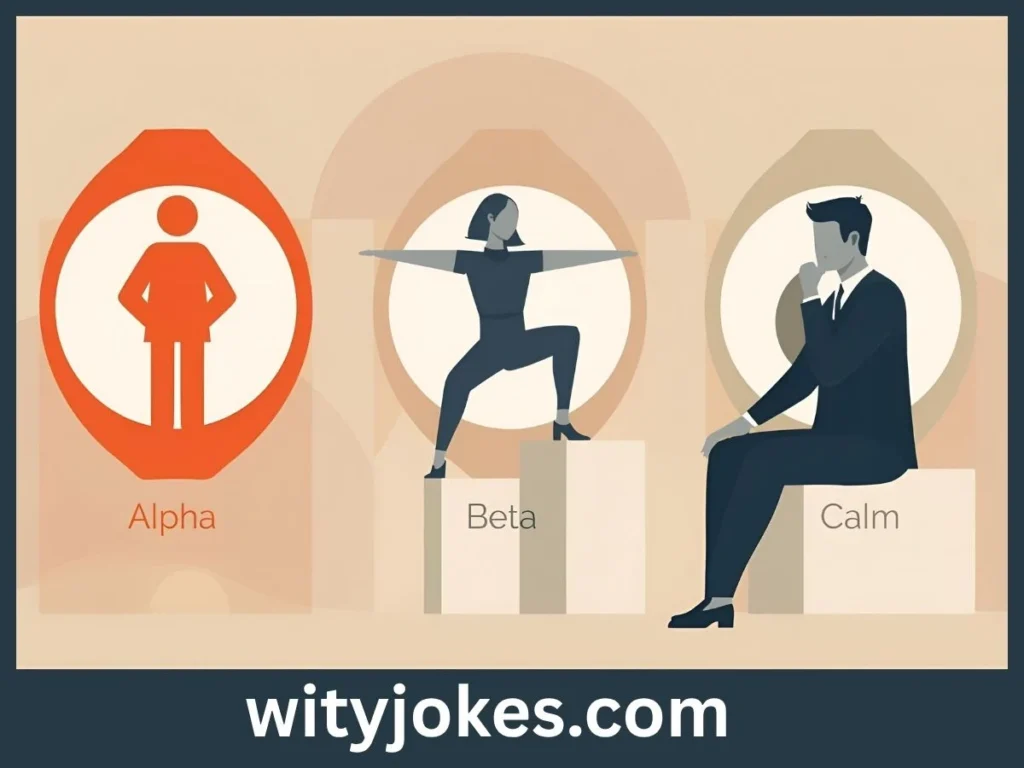
| Personality Type | Core Traits | Social Approach | Example |
|---|---|---|---|
| Alpha | Dominant, confident leader | Commands attention and authority | A team captain or CEO |
| Beta | Supportive, cooperative | Seeks validation, avoids conflict | Loyal employee or follower |
| Sigma | Independent, self-reliant, introspective | Operates outside hierarchy | Freelancer or creative entrepreneur |
In short:
- Alphas lead,
- Betas follow,
- Sigmas opt out — yet still succeed.
⚠️ Common Misunderstandings About “Sigma”
Despite its popularity, “sigma” often sparks debate. Here’s what people get wrong:
| Misconception | Reality |
|---|---|
| Sigma = antisocial | False. Sigmas are selective, not unfriendly. |
| Sigma = superior to alpha | Wrong. It’s a different mindset, not a hierarchy. |
| Only human beings can be sigma | False. “Sigma female” is a common social media archetype too. |
| Sigma = toxic masculinity | Misused at times, but many use it positively for personal growth. |
Some critics (like The Guardian, 2024) argue that sigma memes sometimes glamorize isolation or stoicism. However, for most users, it’s a metaphor for self-improvement and emotional independence, not arrogance.
🔄 Alternatives & Related Terms
| Term | Meaning | Common Usage |
|---|---|---|
| Lone Wolf | Independent individual | Pop culture / motivation |
| Maverick | Non-conformist thinker | Business / leadership |
| Introvert | Prefers solitude | Psychology context |
| Independent Thinker | Free from social influence | General self-help |
| Sigma Female | Independent woman archetype | Social media & empowerment content |
❓ Frequently Asked Questions (FAQ)
1. Is “sigma” an actual psychology term?
No. It’s a pop-culture label — not recognized in scientific psychology, though it borrows from personality theory.
2. What does “sigma male” mean on TikTok?
It refers to a man who’s independent, confident, and doesn’t need validation from others — often used humorously.
3. Can human beings be sigma?
Yes. The “sigma female” archetype highlights human beings who are confident, self-sufficient, and career-driven.
4. Why is “sigma” trending?
Because it resonates with people who admire self-reliance and mental discipline, especially in hustle culture.
5. Is being sigma good or bad?
It depends. Independence and focus are strengths, but excessive detachment can harm relationships.
6. How is “sigma” different from “alpha”?
Sigmas lead themselves — alphas lead others. Sigmas don’t seek dominance or approval.
7. What does “Sigma mindset” mean?
It’s a mindset of self-discipline, emotional control, and quiet confidence, often promoted in productivity or fitness circles.
🧩 Expert Insight: Why the Sigma Trend Works Online
Psychologists note that sigma memes often attract audiences tired of performative confidence. The “lone wolf energy” symbolizes freedom from social validation, appealing to Gen Z and Millennials facing online pressure to conform.
By combining self-help language with humor, the sigma archetype taps into a digital need for identity and self-definition — without directly competing for status.
✅ Conclusion
“Sigma” has evolved far beyond a meme — it’s become a symbol of independence, focus, and quiet strength. Whether used sincerely or sarcastically, the term reflects modern attitudes toward self-reliance and identity in a hyper-connected world.
Understanding “sigma” helps decode not just internet culture, but also how today’s generation values personal space, purpose, and confidence.
In short:
Sigma isn’t about isolation — it’s about choosing your own path, confidently and quietly.